BLSK Energy

Why Now

The used nuclear fuel dilemma, the energy demand crisis, and the fuel supply bottleneck — three forces demanding a solution.

America's Largest Untapped Energy Resource

For sixty years, American nuclear plants have generated 20% of the nation's electricity. Discharged fuel assemblies still retain roughly 95% of their original energy value, even though today's once-through fuel cycle uses only a small fraction of the total energy potential in mined uranium. Today that amounts to some 95,000 metric tonnes of used nuclear fuel at 74 sites in 35 states.

This isn't waste. It's the largest untapped energy resource in the United States. Recycled and then used in fast reactors, it represents hundreds of years of American electricity — with no foreign dependency and no new enrichment required.

And beyond the used fuel itself: the U.S. has approximately 600,000 metric tonnes of depleted uranium from the enrichment process — equally usable in fast reactors. Combined, the total American nuclear material inventory represents over a thousand years of domestic electricity. No imports. No new enrichment required. Already on U.S. soil.

Sources: DOE Office of Nuclear Energy (>95,000 MT, Feb 2026); GAO nuclear waste reports; Chang deck slides 26, 32, 35; DOE depleted uranium inventory data
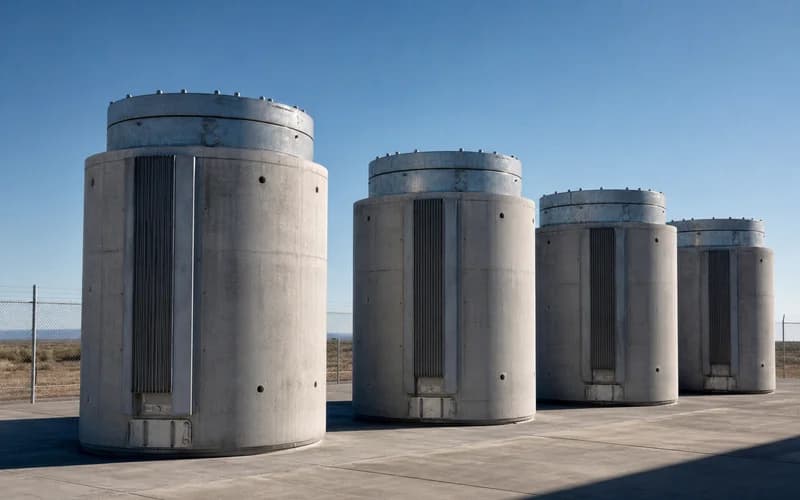
Dry cask storage containers at an independent used fuel storage installation
Dry cask storage installation — used nuclear fuel containers awaiting a solution.

The used nuclear fuel currently in storage in the U.S. contains enough energy to power the entire country for hundreds of years.

And the technology to access it is proven and ready.

Sources: DOE Office of Nuclear Energy; GAO reports on nuclear waste; Chang 2026, slide 26; CBO nuclear waste liability estimates

95,000+

Metric Tonnes

Used nuclear fuel in storage across the U.S.

$2M

Per Day

Federal spending on storage — over $730M per year.

$52B

Nuclear Waste Fund

Collected from ratepayers. Designated for permanent disposal.

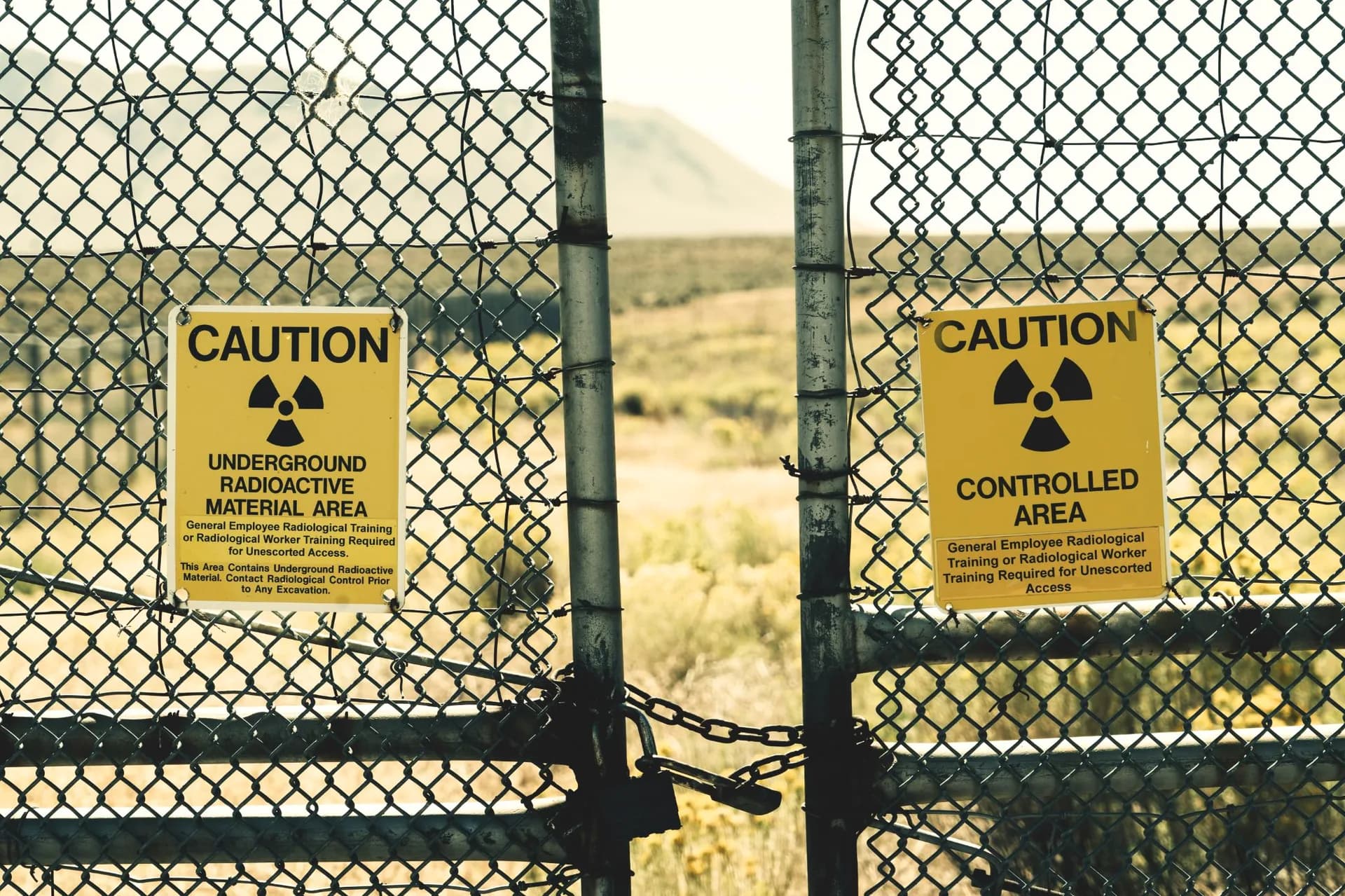
Caution and radioactive warning signs on chain-link fence surrounding a nuclear facility
Used nuclear fuel storage sites are scattered across 35 states — a distributed liability with no current path to resolution.

America Needs More Energy. Fast.

U.S. electricity demand is projected to increase 8–12% by 2030 from data centers and AI alone. The current administration's goal: expand American nuclear capacity from 100 GWe to 400 GWe by 2050.

Nuclear is the only energy source with the density and reliability to meet this demand at scale. The Energy Return on Energy Invested (EROI) — the ratio of energy produced to energy invested in building and operating a power source, including required storage for intermittent sources — makes the physics clear:

Energy Return on Energy Invested (EROI). Solar and wind values include storage/buffering for grid reliability. Source: Weissbach et al. (2013)

The minimum EROI to sustain modern civilization is approximately 7. Nuclear energy delivers more energy per unit of investment than any other source — and begins delivering immediately, without the decades-long ramp-up required by intermittent sources.

Source: Weissbach et al., "Energy intensities, EROIs, and energy payback times of electricity generating power plants," Energy (2013), peer-reviewed. EIA demand projections; DOE/White House nuclear capacity goals.

Everyone Is Preparing for New Reactors. Nobody Has Solved the Fuel Problem.

The advanced reactor industry is racing to deploy next-generation nuclear. All of them need fuel. All of them push demand on an already constrained uranium supply chain.

HALEU (High-Assay Low-Enriched Uranium) is the current leading fuel pathway for most advanced reactor designs. It costs $25,000+/kg, domestic supply is limited, and the broader supply chain remains constrained by foreign enrichment capacity, including Russian services.

America has no domestic commercial HALEU supply chain at scale. For fast reactors, specifically TerraPower's Natrium and Oklo's Aurora, BLSK's technology offers a domestic, cost-competitive alternative.

BLSK offers an alternative to foreign-enriched fuel for advanced fast reactors based on American ingenuity — relieving pressure on the constrained uranium enrichment supply chain while providing fuel at a fraction of the cost.

Sources: DOE HALEU Availability Program; Centrus Energy SEC filings; BLSK cost projections from Chang 2026, slide 25; industry market analysis

The Scale of the Supply Chain Gap

The scale of this supply chain vulnerability was quantified in a May 2026 analysis by McKinsey & Company. Their assessment found that the United States would need to invest $105 billion to $170 billion across the nuclear fuel supply chain alone to meet the administration's 400 GW capacity goal with domestically sourced fuel. U.S. enrichment capacity, which once represented 64% of global production in 1985, has collapsed to under 10%. Meanwhile, enrichment demand is projected to increase by 310 to 430% by 2050. With only one uranium conversion facility operating in the entire country — at roughly half its original capacity — and 90% of uranium sourced from foreign nations, the structural dependency is clear.

McKinsey's analysis specifically identified fuel reprocessing as a pathway to reduce long-term reliance on foreign enrichment and conversion services. They estimated the investment required for reprocessing at $20 billion to $45 billion — representing the cost to process both the roughly 2,000 metric tonnes of used fuel generated annually and draw down the existing 90,000+ tonne stockpile (now estimated at 95,000+ tonnes). According to McKinsey & Company, France already generates 10% of its nuclear electricity from recycled materials through Orano, with the potential to increase to 25%.

McKinsey & Company, "Understanding Domestic Nuclear Fuel Production Options in the United States," May 2026

America's Looming Energy Security Crisis

Imports account for 95% of the enriched uranium America uses to make nuclear fuel. More than one-third of that enriched uranium comes from Russia. The availability of uranium to fuel the U.S. fleet of 90+ reactors is limited — and at the rate the world consumes enriched uranium, with the expected global new nuclear build-out, uranium fuel supply will be exhausted before the end of the 21st century.

The world needs a better option.

Advanced reactors that produce more fuel than they consume are under development around the world — some are already in operation. The metallic fuel BLSK plans to produce can fuel many of these advanced reactors, creating an energy supply that will last thousands of years.

Where the U.S. Gets Its Enriched Uranium

Where the U.S. gets its enriched uranium. Source: EIA Form EA-858, Uranium Marketing Annual Survey (2018–21)

47 Years of 'No.' Now the Answer Is 'Yes.'

After decades of indecision and inaction, the U.S. is actively addressing both the policies around used nuclear fuel and the need for recycling.

It's a new era.

  1. 1977

    Carter Ban

    Presidential policy bans commercial reprocessing. Four projects were shut down.

  2. 1994

    IFR Canceled

    Congress defunds Argonne's Integral Fast Reactor — the most promising program in the world.

  3. 2024

    ADVANCE Act

    Streamlined NRC licensing for advanced nuclear. Bipartisan support.

  4. 2025

    Executive Orders

    Nuclear recycling prohibition reversed. DOE actively soliciting fuel cycle proposals.

  5. 2026

    DOE RFI

    Nuclear Lifecycle Innovation Campus signals federal commitment to fuel cycle infrastructure.

  • Executive Orders on nuclear recycling and advanced fuel cycles have reversed the decades-long prohibition
  • The ADVANCE Act provides streamlined NRC licensing pathways for advanced nuclear technologies
  • The Inflation Reduction Act and Energy Independence Act provide funding mechanisms
  • DOE's Nuclear Lifecycle Innovation Campus RFI signals federal commitment to fuel cycle infrastructure
  • Energy Secretary Chris Wright: "The long-awaited American nuclear renaissance must launch during President Trump's administration."
  • DOE goal: expand American nuclear capacity from 100 GWe to 400 GWe by 2050
  • $2.7 billion investment in domestic uranium enrichment to end Russian dependency
  • $800 million to TVA and Holtec for SMR deployment
  • $19 million awarded specifically for used nuclear fuel recycling R&D (February 2026)
  • DOE Assistant Secretary for Nuclear Energy: "Used nuclear fuel is an incredible untapped resource in the United States."

For the first time in nearly half a century, the U.S. government is encouraging nuclear fuel recycling through policy, funding, and legislation — and calling it essential to American energy independence.

The urgency of this investment was underscored by McKinsey & Company in their May 2026 analysis. Their analysis concluded that meeting the administration's goal of 400 GW of total nuclear capacity would require $105 billion to $170 billion in fuel supply chain investment — a scale of mobilization that will require coordinated public and private sector action. McKinsey specifically noted the DOE's Nuclear Lifecycle Innovation Campus RFI as a signal of renewed federal commitment to domestic fuel cycle development — a consortium in which BLSK Energy participates through EnergySolutions.

Sources: DOE "State of American Energy" (April 2026); DOE nuclear fuel recycling awards (Feb 2026); White House nuclear policy; ADVANCE Act; Executive Orders on nuclear; McKinsey & Company, May 2026

AI Alone Will Require More Power Than Some Countries

Electrification, AI, data centers, and the need to deliver clean water have led to a massive surge in demand for electricity. Some forecast the need quadrupling. Only nuclear power can deliver affordable, reliable, 24/7/365 baseload electricity at the required scale. The world's largest technology companies — Microsoft, Google, Amazon, Meta — are signing multi-billion dollar deals for nuclear power. U.S. electricity demand is expected to increase 8–12% by 2030 from data centers and AI alone, with total demand potentially doubling by 2035.

This isn't future speculation. It's happening now:

Microsoft + Three Mile Island

$1.6B

Agreement with Constellation to restart TMI Unit 1 — a 20-year power purchase agreement for 835 MW of nuclear power.

Source: Constellation Energy, Sept 2024

Amazon + SMRs

$500M+

Investment in small modular reactor development for data center power, including agreements with multiple reactor developers.

Source: Amazon public announcements

Google + Kairos Power

500 MW

Power purchase agreement for advanced reactor capacity — the first corporate PPA for next-generation nuclear technology.

Source: Google Energy, Oct 2024

Meta Nuclear Solicitation

1–4 GW

Public solicitation seeking nuclear energy partners to power AI infrastructure, targeting gigawatt-scale deployment.

Source: Meta RFI, Dec 2024

8–12%

Demand Increase by 2030

From data centers and AI alone

2x

Total Demand by 2035

U.S. electricity demand potentially doubling

$0

Domestic Fuel Supply at Scale

No domestic commercial HALEU supply chain at scale today

Every one of these companies needs nuclear power. Every advanced reactor needs fuel. And currently the only domestic, non-Russian, cost-competitive fuel pathway at scale is BLSK's pyroprocessing.

Sources: Utility and tech company public announcements; EIA electricity demand projections; Bloomberg Intelligence Nuclear 2026 Outlook

The Reactors Are Coming. The Fuel Supply Isn't Ready.

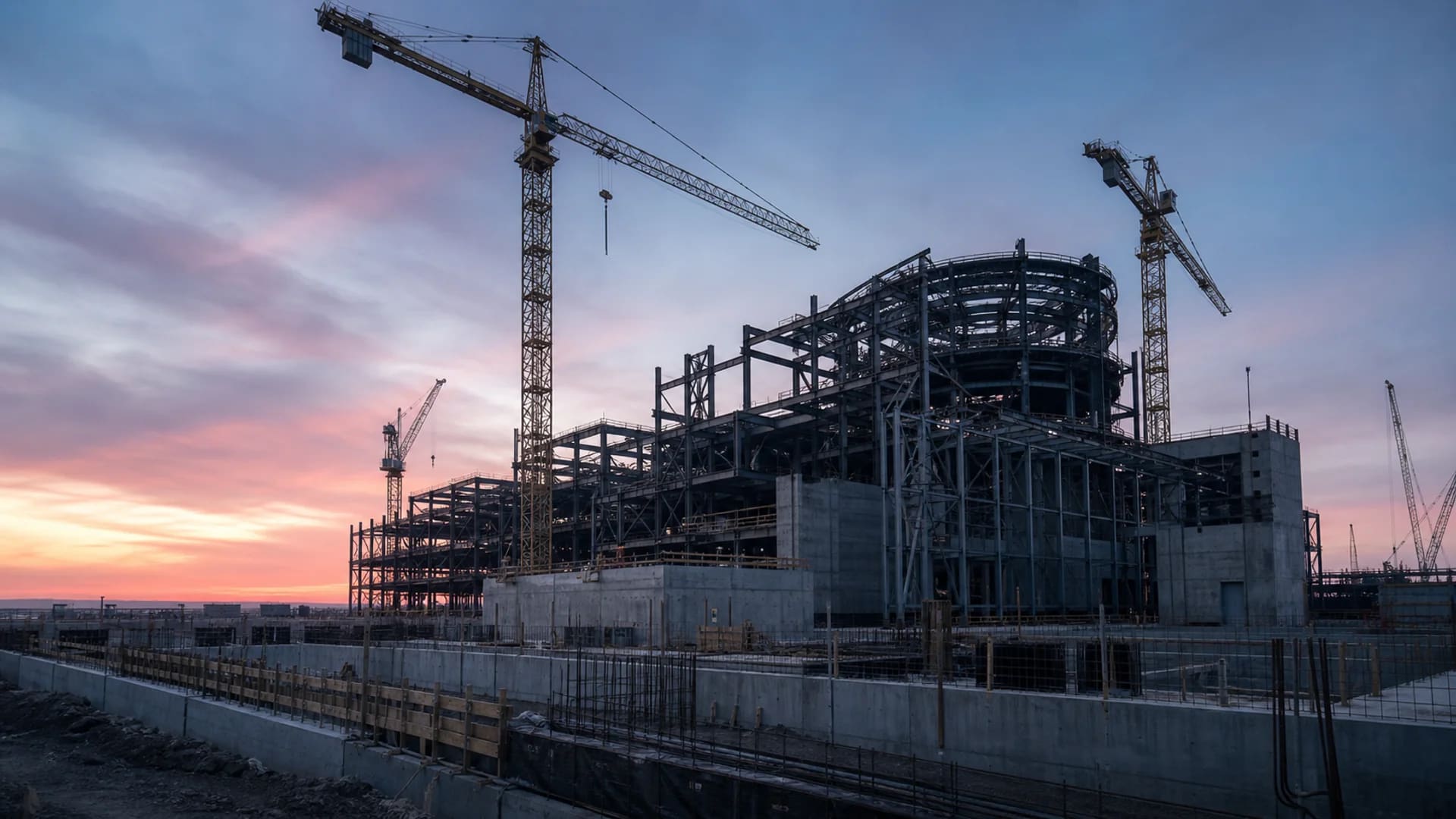
TerraPower broke ground on its Natrium reactor. Oklo received its NRC site permit. X-energy, Kairos, and others are advancing through design certification. The advanced reactor industry is moving from paper designs to construction.

Fast spectrum reactors like TerraPower's Natrium and Oklo's Aurora can directly use BLSK's HALEU-equivalent metal fuel. Other advanced reactors use different fuel types — but by recycling used fuel, BLSK reduces the demand pressure on the constrained uranium supply chain that all reactors depend on.

Fuel supply remains the bottleneck.

Global Fast Reactor Pipeline

Beyond the U.S., fast reactors are being planned and operated worldwide — all potential customers for BLSK's fuel.

United States — In Development

ReactorCapacityStatus
TerraPower Natrium345 MWeUnder construction
Oklo Aurora15–75 MWeNRC site permit received
DOE Pilot ProgramCapacity TBATarget 2028–2031

Global Fast Reactor Pipeline

ReactorCountryCapacityTarget
CFR-600 (×2)China1,200 MWe2024–2026
CFR-1000China1,000 MWe2030s
BN-1200MRussia1,220 MWe2030s
PFBR + FBRsIndia1,700 MWe2024–2036

Operating Today

ReactorCountryCapacity
BN-600 / BN-800Russia1,440 MWe
CEFRChina20 MWe
PFBRIndia500 MWe
Monju (decommissioning) / JoyoJapan
PGSFR (planned)South Korea150 MWe

Sources: DOE HALEU EIS (2024); World Nuclear Association; INL Fuel Cycle Analysis; BLSK deck (2026)

5,000+ MW

Pipeline Capacity

Fast reactors under development globally

1,960 MWe

Operating Today

Fast reactors already producing power

2026–2036

Target Timeline

For global fast reactor deployment

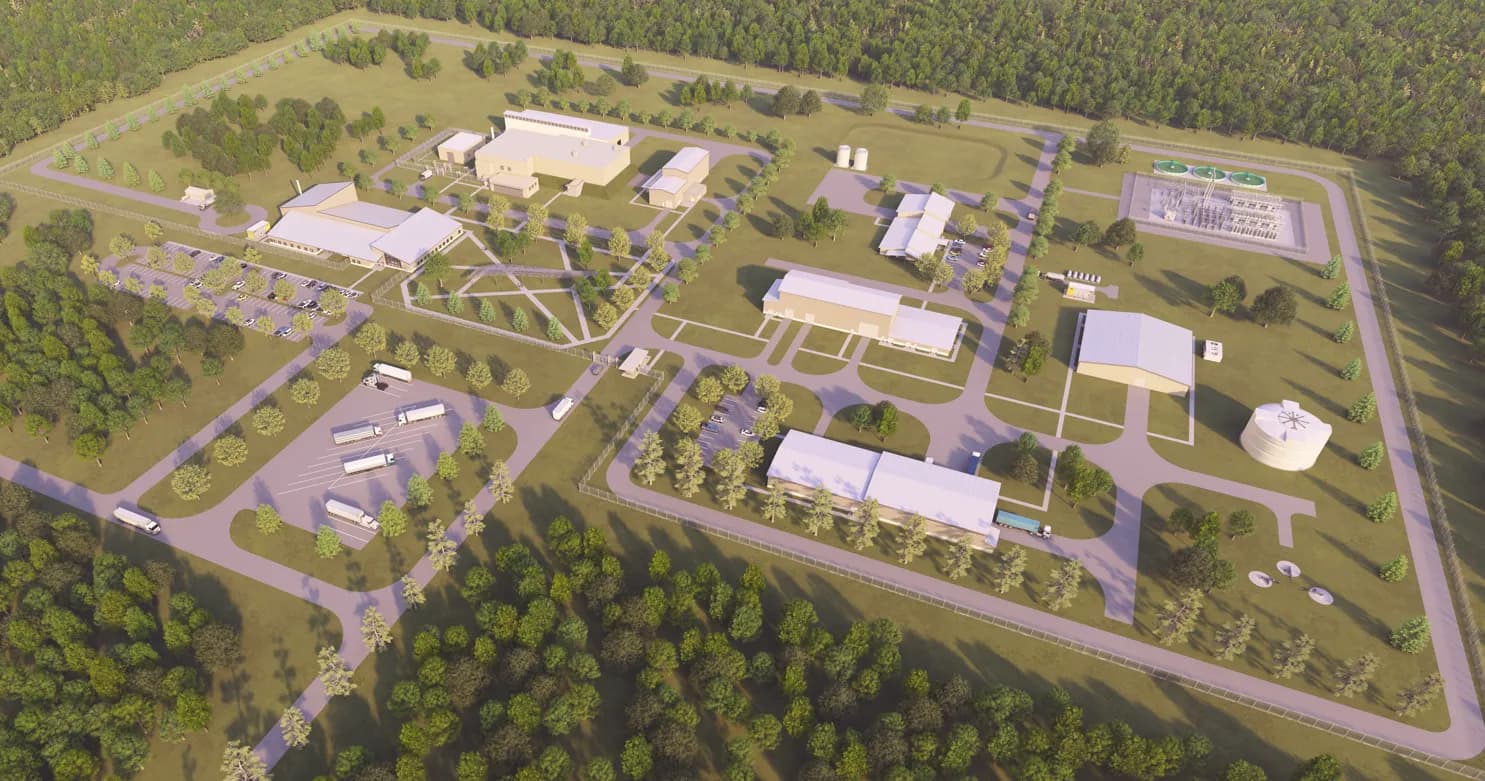
Architectural rendering of a pilot-scale pyroprocessing facility campus
Conceptual rendering of a pilot-scale pyroprocessing facility — the kind of infrastructure BLSK is building.

BLSK's pyroprocessing is designed to bypass this bottleneck. Its recycling process has been demonstrated at engineering scale for decades. The facility design exists. The only thing missing is the commercial entity to build it.

That's BLSK.

Sources: TerraPower, Oklo, X-energy public announcements; NRC licensing records; Centrus Energy public filings; Chang deck slide 14

The window is open. It won't stay open forever.